7 Ways Mobile Testing for Employers Ensures Workplace Safety in Cincinnati
January 1, 2026 · 4 min read
By Jeff Schroeder, Foster Special Instruments
In today’s fast-paced work environment, maintaining workplace safety is more crucial than ever, especially for employers in Cincinnati. With the rise of mobile solutions, mobile testing for employers has emerged as an efficient way to enhance safety measures. Let’s explore how this approach can be a game-changer for creating a more secure work atmosphere.
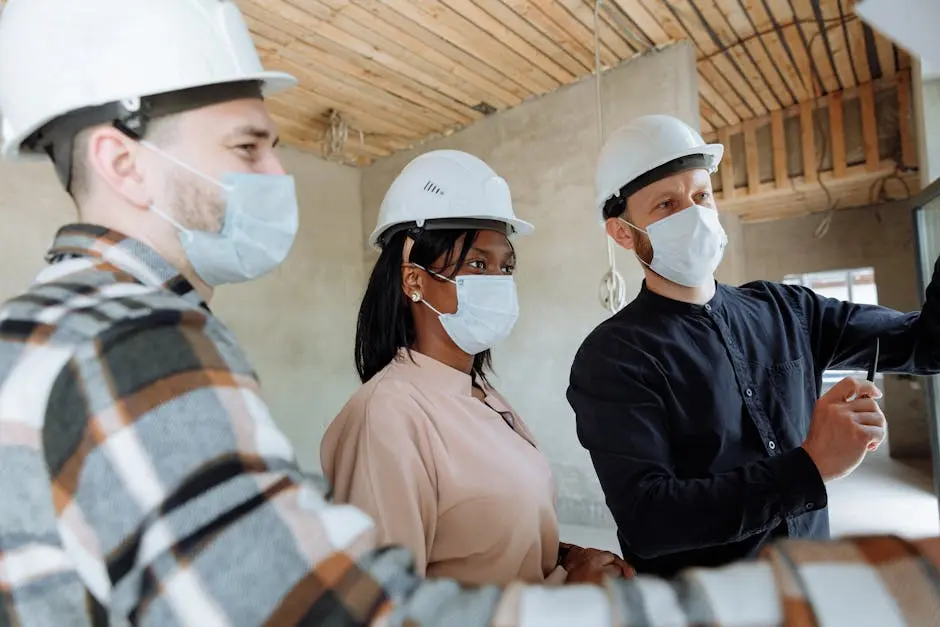
1. Streamlining Safety Protocols with Mobile Tools
Mobile testing facilitates the implementation of safety protocols. By utilizing mobile testing tools, employers can ensure that safety standards are consistently met and enforced, creating a safer work environment. The use of digital checklists and automated reporting allows for seamless communication among teams, making it easier to track compliance and identify areas for improvement. This technological integration transforms outdated methods into robust systems that adapt to new safety challenges efficiently.
Incorporating mobile devices into safety checks also simplifies the documentation process. By storing data digitally, organizations can avoid the clutter of paperwork and the potential for manual errors. This real-time data access is particularly beneficial during audits, as it provides an accurate snapshot of a company’s safety performance at any given time, ensuring that all protocols are being followed effectively.
2. Real-time Results for Proactive Measures
With mobile testing, employers receive real-time data on health screenings and safety compliance, enabling quick responses to potential hazards. This proactivity helps in mitigating risks before they escalate. For instance, advanced mobile platforms can alert managers immediately if an employee shows symptoms that require further attention, preventing the spread of illness throughout the workplace. Moreover, the capability to access such information remotely provides management the flexibility to make informed decisions without being physically present.
3. Enhancing Communication and Coordination
Mobile platforms improve communication across teams. They allow for instant updates and alerts, ensuring that everyone stays informed about safety issues and changes in safety procedures. Harnessing the power of instant communication tools empowers employees to report hazards or concerns immediately, facilitating a culture of openness and awareness that prioritizes safety.
Additionally, mobile technology fosters better coordination between different departments by reducing silos. Information flows freely and effectively, breaking down barriers and ensuring that every level of the organization is aligned with the safety objectives. This not only leads to a harmonious work environment but also enhances collective responsibility towards maintaining workplace safety.
4. Cost-effective Safety Management
Mobile testing can reduce costs related to workplace injuries and safety compliance. By preventing accidents and streamlining processes, companies can save money and allocate resources more efficiently. The investment in mobile technology is often offset by the savings accrued from lower insurance premiums and minimized downtime caused by workplace incidents.
Furthermore, mobile testing reduces the frequency and severity of workplace accidents, which can result in significant financial repercussions. By taking advantage of these tools, businesses in Cincinnati can maintain a focus on growth and innovation, using their resources to expand and enhance their competitive edge in the market.
5. Increasing Employee Confidence in Safety Measures
Knowing that safety procedures are backed by the latest technology boosts employees’ confidence. Mobile testing reassures staff that their well-being is a top priority, leading to higher morale and productivity. Employees who feel safe and secure are more likely to engage actively in their work, contributing to a positive workplace culture.
The transparency provided by mobile testing tools also builds trust. When workers know that safety data is accurately reported and accessible, they can have peace of mind knowing their health and safety are monitored consistently and proactively. This assurance is vital in cultivating loyalty and reducing turnover rates, ultimately fostering a stable and committed workforce.
6. Adapting to Evolving Compliance Requirements
Mobile testing allows companies to easily adapt to new compliance requirements. This adaptability ensures that Cincinnati businesses remain legally compliant while maximizing their safety efforts. With regulatory guidelines frequently changing, mobile platforms can quickly update and distribute new standards to all employees, ensuring that everyone stays informed and compliant.
Modern mobile tools also offer analytics that help evaluate how well safety protocols are being followed. By tracking performance against these requirements, businesses can identify areas for improvement and take corrective actions swiftly, maintaining compliance without compromising operational efficiency.
7. Building a Culture of Safety through Technology
Integrating mobile testing fosters a culture of safety. Employees become more engaged in safety practices, understanding their role in maintaining a safe work environment powered by accessible technology. This engagement goes beyond mere compliance, embedding safety as a central tenet of the company’s values.
Moreover, the use of mobile technology encourages continuous learning and adaptability among the workforce. Regular updates and training sessions become part of the organizational routine, enhancing not only safety but also overall productivity and innovation. As personnel become more comfortable with these digital tools, they contribute to a resilient and safety-focused organizational culture.
Foster runs occupational health compliance programs end to end — testing, calibration, training, and records.
Talk to our compliance teamRelated guides
Which Employees Need Which Test? Mapping OSHA and DOT Requirements
Why the first compliance problem is knowing which regulation applies to which employee, before any due date, and how employers build that map without gaps.
4 min read Read →OSHA ComplianceMulti-Site Occupational Health Testing: Keeping 12 Plants on One Schedule
Why occupational health testing schedules drift across multiple plants, and how to keep audiometric, spirometry, and BAT due dates visible from one place.
6 min read Read →OSHA ComplianceOSHA Inspection Prep: The Records an Inspector Asks For First
Which training and testing records an OSHA compliance officer requests first during an inspection, and how to have them ready before the walkthrough starts.
5 min read Read →